
Occupational therapy for birth to around six years
Early years occupational therapy for babies, toddlers and preschool children
Occupational therapy for young children, shaped around everyday care, play and family routines.
Belong OT works with your child’s strengths, cues, sensory needs, movement, play and family routines. You do not need a diagnosis before seeking support.
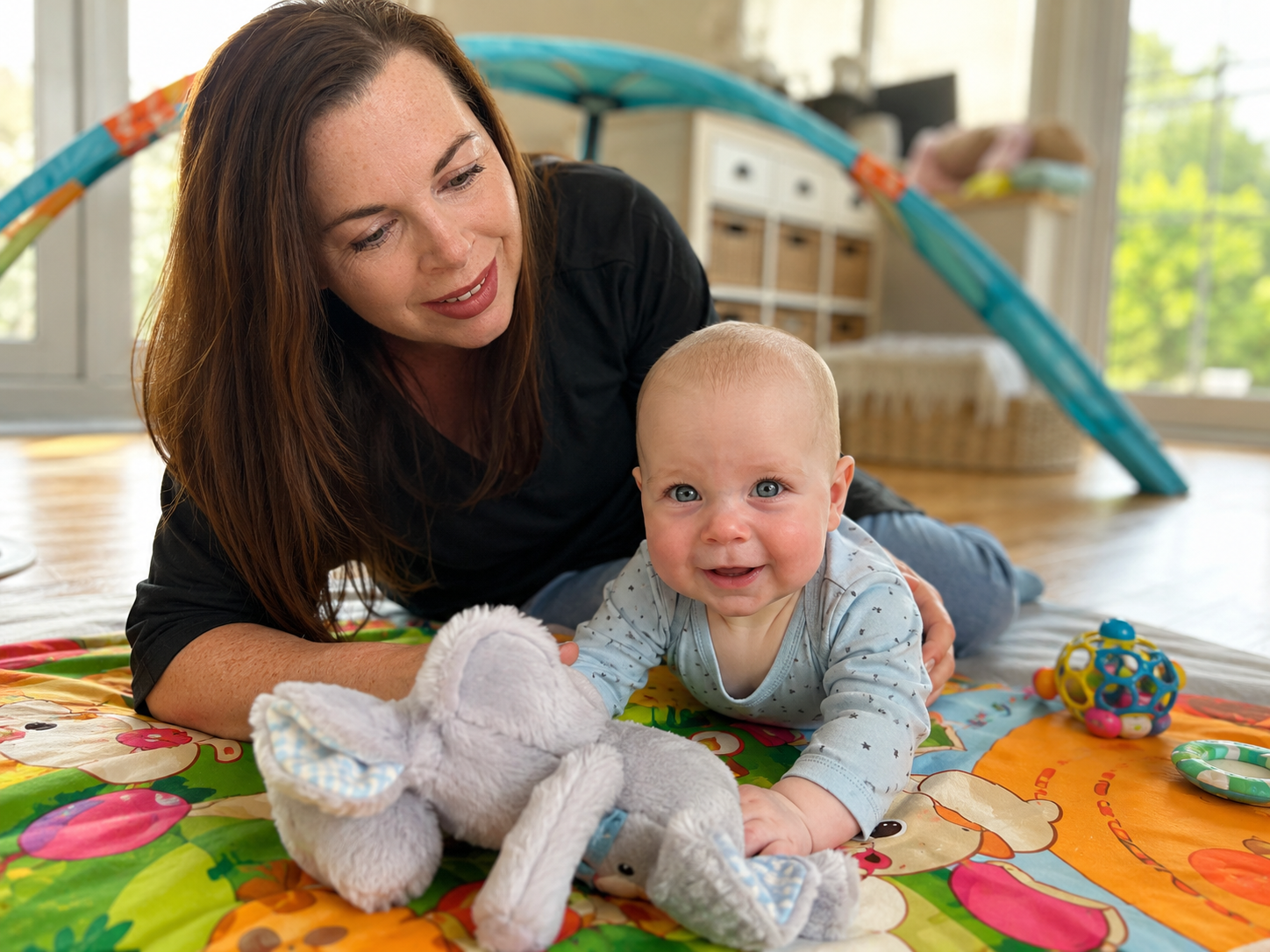
Who this page is for
Support during the early years
For parents and carers of babies, toddlers and preschool children.
Families often get in touch because a routine feels harder than expected, they have noticed a pattern, or a public health nurse, GP, crèche or preschool has raised a concern.
Your observations help us understand what your child needs.
If your child is already in primary school or older, visit the Children and Young People page.
Support for babies, toddlers and preschool children.
You may seek OT support based on everyday concerns.
A focused first stage to understand priorities and plan the right pathway.
What support may focus on
Everyday routines, development and participation
Open a topic for examples of support.
Areas Belong OT may support
Regulation and sensory needs
Support may focus on noticing your child’s cues, reducing overload and finding sensory, movement or environmental strategies that help them feel safer and more ready to take part.
Movement, tummy time and active play
Support may include tummy time, rolling, sitting, crawling, walking, climbing, balance and confidence in active play. Sessions may include direct work with your child and practical ideas for home.
Feeding and mealtimes
OT input may address positioning, highchair set-up, sensory responses, food exploration, limited food range, food stuffing or pocketing, and stress around mealtime routines.
Sleep, settling and bedtime routines
Support focuses on regulation, sensory comfort, predictable routines and the sleep environment. Belong OT does not provide sleep training programmes.
Self-care and daily routines
This may include dressing, shoes, coats, bathing, grooming, nappy changes, toileting readiness and other care routines that feel stressful or difficult.
Fine motor skills and early learning
Support may focus on reaching, grasp, using two hands together, puzzles, posting games, stacking, messy play, early mark-making and scissors through developmentally appropriate play.
Crèche, preschool and school transitions
OT support may address transitions, group routines, sensory needs, lunchboxes, coats, toileting, playground confidence, early hand skills and practical recommendations for staff.
Reasons families may get in touch
Tummy time, handling or movement feels difficult
Your child may avoid certain positions, seem uncomfortable during handling, move more cautiously than expected or need support to join active play.
Sensory experiences lead to distress
Sound, touch, movement, light, smells, clothing, bathing or messy play may feel overwhelming or hard to manage.
Feeding or mealtimes feel stressful
Your child may avoid textures, eat a very limited range, struggle with positioning, stuff or pocket food, or find family mealtimes difficult.
Sleep, settling or transitions are hard
Bedtime, leaving the house, nappy changes, getting dressed or moving between activities may take significant time and support.
Daily care needs more support than expected
Dressing, bathing, grooming, toileting or joining family routines may feel harder for your child or more stressful for everyone.
Preschool routines or group activities are difficult
Your child may find transitions, group time, lunch, toileting, play, noise or preparing for primary school difficult.
Your child was born prematurely or had a difficult start
Some children benefit from support with regulation, positioning, movement, sensory tolerance, feeding routines or early play. Development is considered in context, including corrected age where relevant.
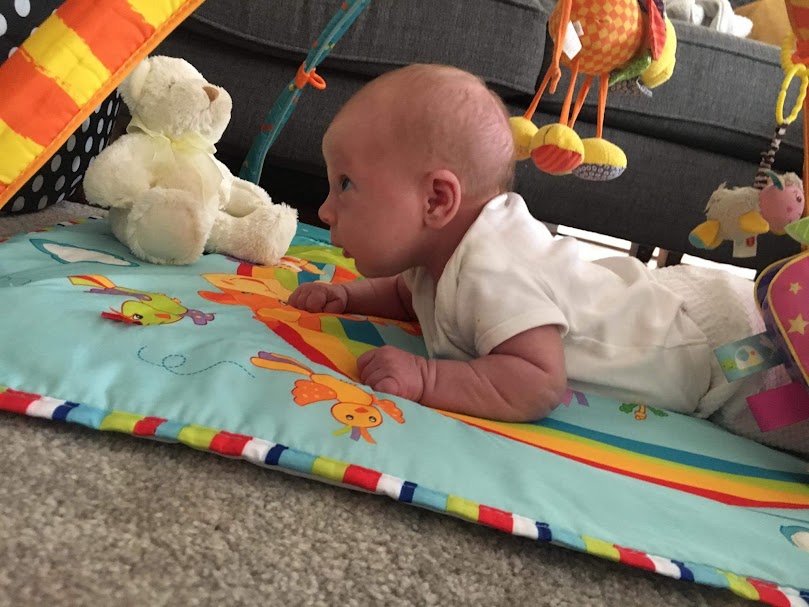
Movement, positioning and early play
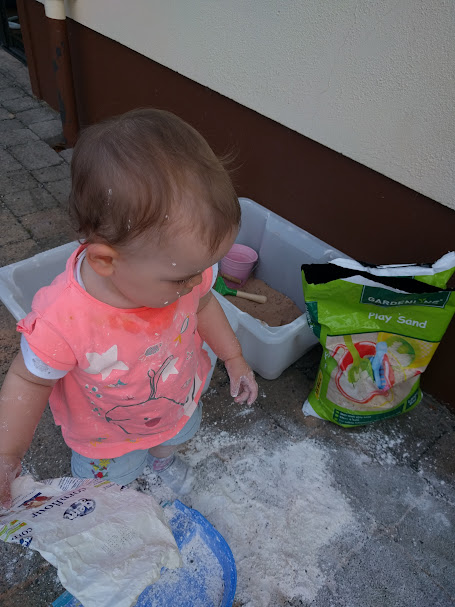
Sensory exploration and regulation
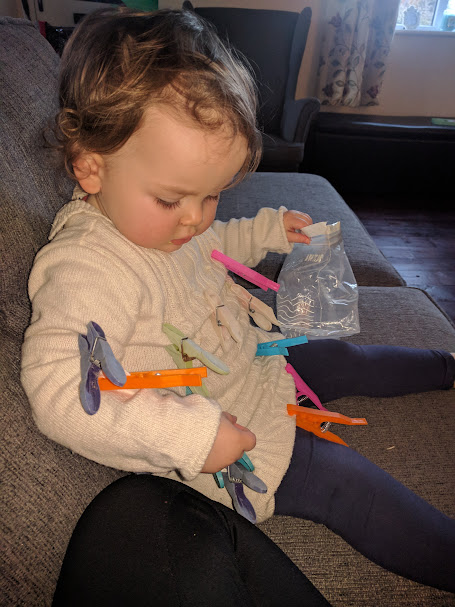
Fine motor skills and early learning
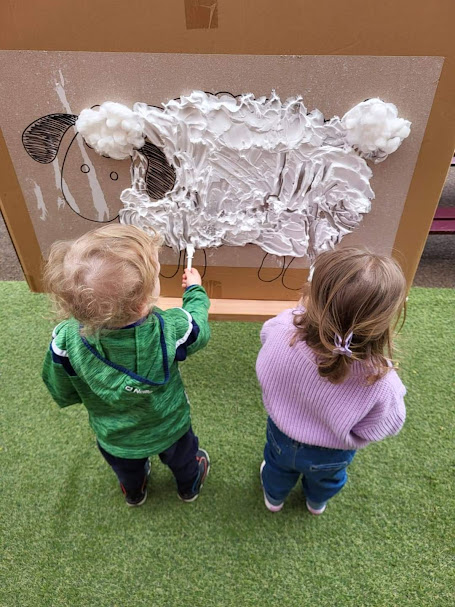
Play, early learning and preschool participation
How support works
A flexible assessment and support pathway
Start with an Initial Consultation. Together, we decide whether practical support, assessment or another next step would help.
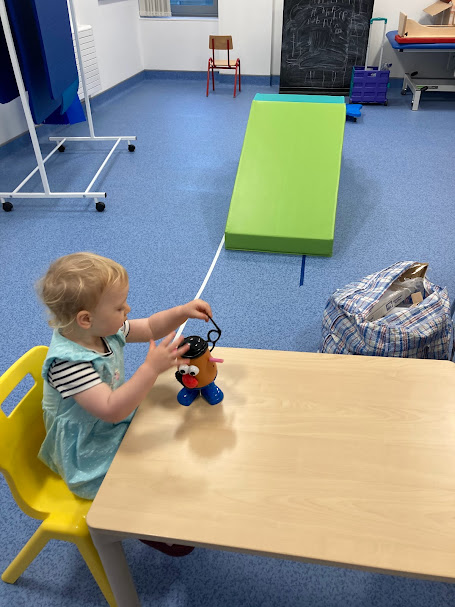
Assessment is matched to what your child needs
The consultation explores the routines you want help with and what already works.
For some families, this provides enough information to agree practical strategies and the next step. A more in-depth occupational therapy assessment is recommended only where further observation, direct assessment or standardised measures would add useful information.
Your child’s everyday activities and environments guide the recommendation.
What happens after the consultation?
Together, we agree whether goal-focused support, assessment or another next step would help your child. The plan is reviewed as your child’s needs and priorities change.
See the possible next steps after your initial consultation.
Open an option to see what it includes
What happens during the Initial Consultation?
Before the appointment, Belong OT reviews the information you provide. During the consultation, you discuss your child’s strengths, daily routines, concerns, what already helps and what you would like support with.
Afterwards, you receive a brief written Initial Consultation Summary and Plan with practical recommendations and suggested next steps.
The Initial Consultation is the starting point in the assessment and support pathway. It is not a full occupational therapy assessment or full assessment report on its own.
Goal-Focused Early Years OT Support
Many families move into practical support without completing a full assessment first. Sessions focus on agreed goals such as positioning, movement, feeding routines, regulation, play, sleep or self-care.
Support may include direct work with your child, parent coaching, professional planning and personalised strategies for everyday routines.
Everyday Life and Participation Assessment
This assessment builds a fuller picture of your child’s routines, strengths, needs, environments, priorities and goals. It includes a written report and recommendations.
It is recommended where a more detailed understanding would change or strengthen the support plan.
Full OT Assessment Pathway
The €400 Everyday Life and Participation Assessment is a complete Stage 1 assessment, paid after the €120 Initial Consultation. A further €400 applies where direct observation, clinic-based assessment, setting input or a standardised assessment would add meaningful information.
Not every child needs this pathway. The recommendation is discussed with you first.
Other possible next steps
The plan may include parent guidance, a preschool or crèche consultation, a setting visit, review of existing reports, liaison with another professional, onward signposting, or no further OT input at present.
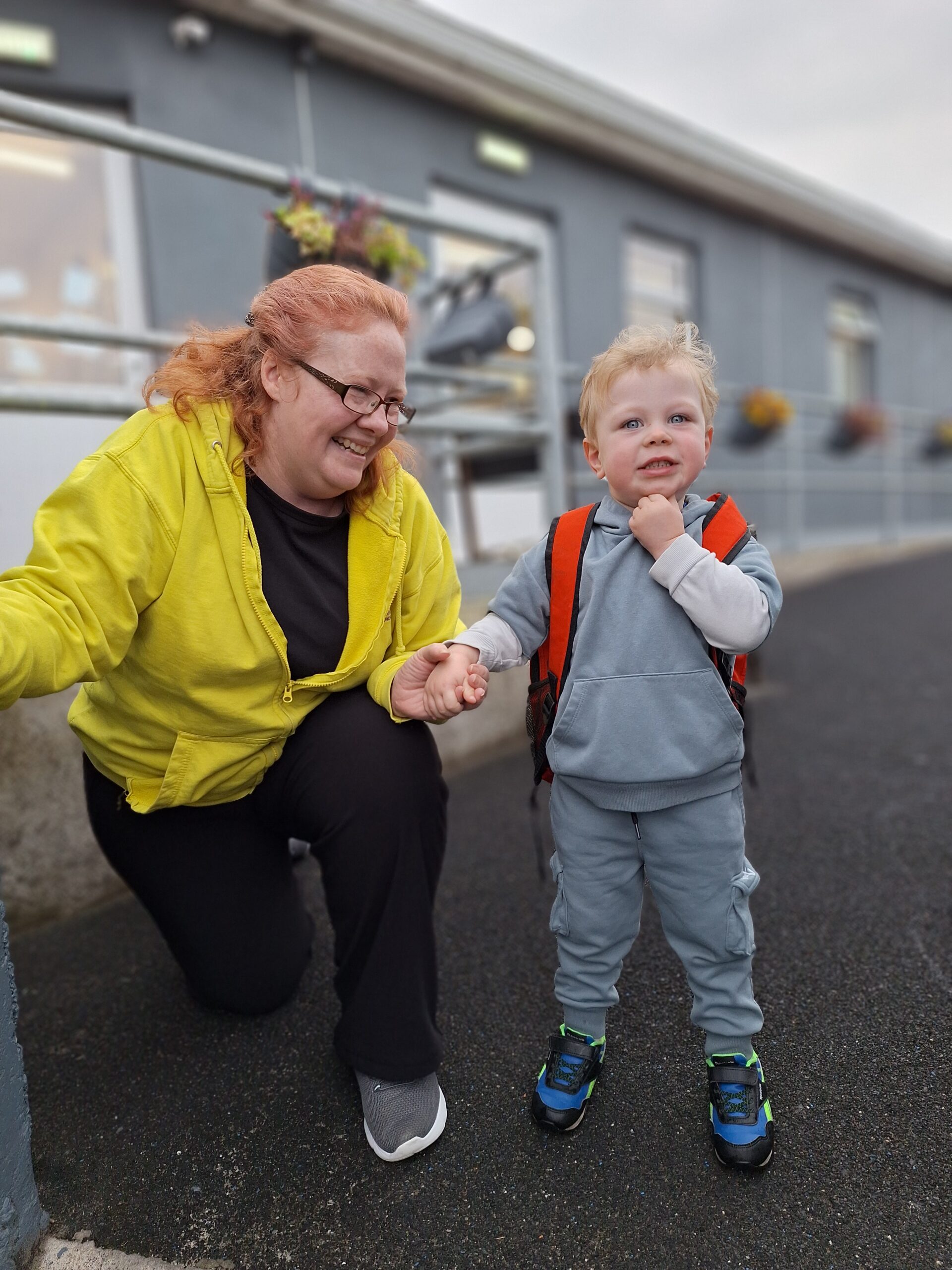
Crèche, preschool and school transition
Support across the places your child spends time
Belong OT may work with early years settings where this would support your child’s participation and the agreed goals.
Observation in a crèche or preschool
A setting visit may help identify how routines, sensory demands, movement, self-care or the environment affect your child’s participation.
Consultation with early years staff
Belong OT may speak with staff and suggest practical changes to routines, transitions, group activities, play, seating, self-care or the environment.
Preparing for preschool or primary school
Support may focus on dressing, lunchboxes, toileting, regulation, movement, early hand skills, transitions and classroom routines.
Written recommendations and shared planning
Where agreed and appropriate, recommendations may be shared with the setting, receiving school, SENO or another professional already involved.
Practical information
What you may receive and what is useful to know
Open the sections that are relevant to you.
What support may include
Initial Consultation Summary and Plan
A brief written summary of the main themes, practical recommendations and suggested next steps.
Practical home strategies
Ideas for play, positioning, movement, regulation, mealtimes, settling, sleep and daily routines.
Goal-focused plans and resources
Personalised strategies, activity plans or resources linked to the agreed goal and your family routines.
Crèche or preschool recommendations
Practical guidance for early years staff where setting input forms part of the agreed plan.
Transition recommendations
Written recommendations to support the move into preschool or primary school where appropriate.
Assessment report
A full report is linked to a specific occupational therapy assessment service. The Initial Consultation includes a brief summary and plan, not a full assessment report.
Good to know
You do not need a diagnosis
Belong OT focuses on everyday strengths, needs and practical next steps. A diagnosis is not required before booking.
Your knowledge of your child matters
You know your child’s cues, patterns, preferences and routines. This information forms an important part of clinical reasoning and planning.
Support is neuroaffirming and strengths-based
The aim is not to make children appear less different. Support focuses on understanding the child, reducing barriers, adapting environments and building meaningful participation.
The first appointment is online
The Initial Consultation takes place online using a secure video link as standard. This allows focused discussion and planning without placing extra demands on a young child.
In-person support depends on need and location
In-person services may be available across Limerick, Clare and Tipperary where appropriate. Online consultation is available across Ireland where suitable.
Assessment is recommended only when useful
Some children benefit from practical support first. A fuller assessment is recommended only where it would add useful information or change the plan.
Frequently asked questions
Questions parents often ask
Is occupational therapy appropriate for babies and toddlers?
Yes. Early years OT is built around play, relationships, regulation, movement and everyday care. For babies, support often focuses on positioning, sensory cues, feeding routines, sleep and early movement.
Do premature babies benefit from OT support?
Some do. OT may help with regulation, feeding routines, positioning, tummy time, sensory tolerance, movement and early play. Development is considered using corrected age where relevant.
Can OT help with breastfeeding?
Belong OT is not a breastfeeding or lactation service. A public health nurse, lactation consultant or breastfeeding support service should lead. OT may support related areas such as positioning, regulation, sensory comfort and body organisation.
Can OT help with feeding?
Yes, where concerns relate to sensory responses, positioning, routine, motor skills, food exploration or mealtime participation.
For coughing, choking, wet breathing, poor weight gain, swallowing concerns or repeated chest infections, contact your GP, public health nurse or speech and language therapist.
Can OT help with sleep?
OT input may help where sleep difficulties relate to regulation, sensory needs, bedtime routines or the sleep environment. Belong OT does not provide sleep training programmes.
Will my child need a full assessment?
Not always. Some families move from the Initial Consultation into practical goal-focused support. Assessment is recommended only when it would add useful information.
Will you work directly with my child?
Yes, where direct support is helpful. Early years sessions may include hands-on play, movement, positioning and regulation work, alongside parent guidance for use in daily routines.
Do you work with crèches and preschools?
Yes, where this forms part of the agreed plan. Support may include observation, consultation with staff and practical written recommendations.
What areas do you cover?
In-person support may be available across Limerick, Clare and Tipperary where appropriate. Online consultation is available across Ireland where suitable.
Still unsure? The Initial Consultation gives you space to explain what you have noticed and decide whether OT, assessment, practical support or another service is the most useful next step.
School-age children
Is your child already in primary school or older?
The Children and Young People page covers support with regulation, movement, handwriting, typing, routines, independence, school participation, PE, playground and sport.
Start with a calm, practical conversation
You do not need to know which service your child needs
The Initial Consultation is the first stage in understanding what is happening and planning the right next step.