Occupational therapy for school-age children, teenagers and young people
Occupational therapy for children and young people
Practical OT support with everyday routines, school participation and growing independence.
Support starts with your child or young person’s strengths, priorities, routines and environments. No diagnosis or referral is required.
Looking for support for a baby, toddler or preschool child?
Visit Early Years for support from birth to around six years.
Who this page is for
Support from primary school age through adolescence
Families often seek help when routines take too much effort, school demands increase or a young person misses out on activities they enjoy.
Some arrive with a diagnosis or previous reports. Others have a concern, a pattern they have noticed or a recommendation from a school or professional.
We consider skills, activities and environments together to find practical ways forward.
Home, school, study, self-care, friendships, leisure and community life all matter.
Support is based on everyday strengths, needs and priorities.
Their views, preferences and goals shape support wherever possible.
What families often seek support with
Everyday areas that affect participation, confidence and independence
Open a section to read more. Support is matched to the child or young person rather than to a standard programme.
Routines, regulation and independence
Daily routines and self-care
Support may focus on dressing, personal care, mealtimes, morning or bedtime routines, managing belongings and growing independence at home or in the community.
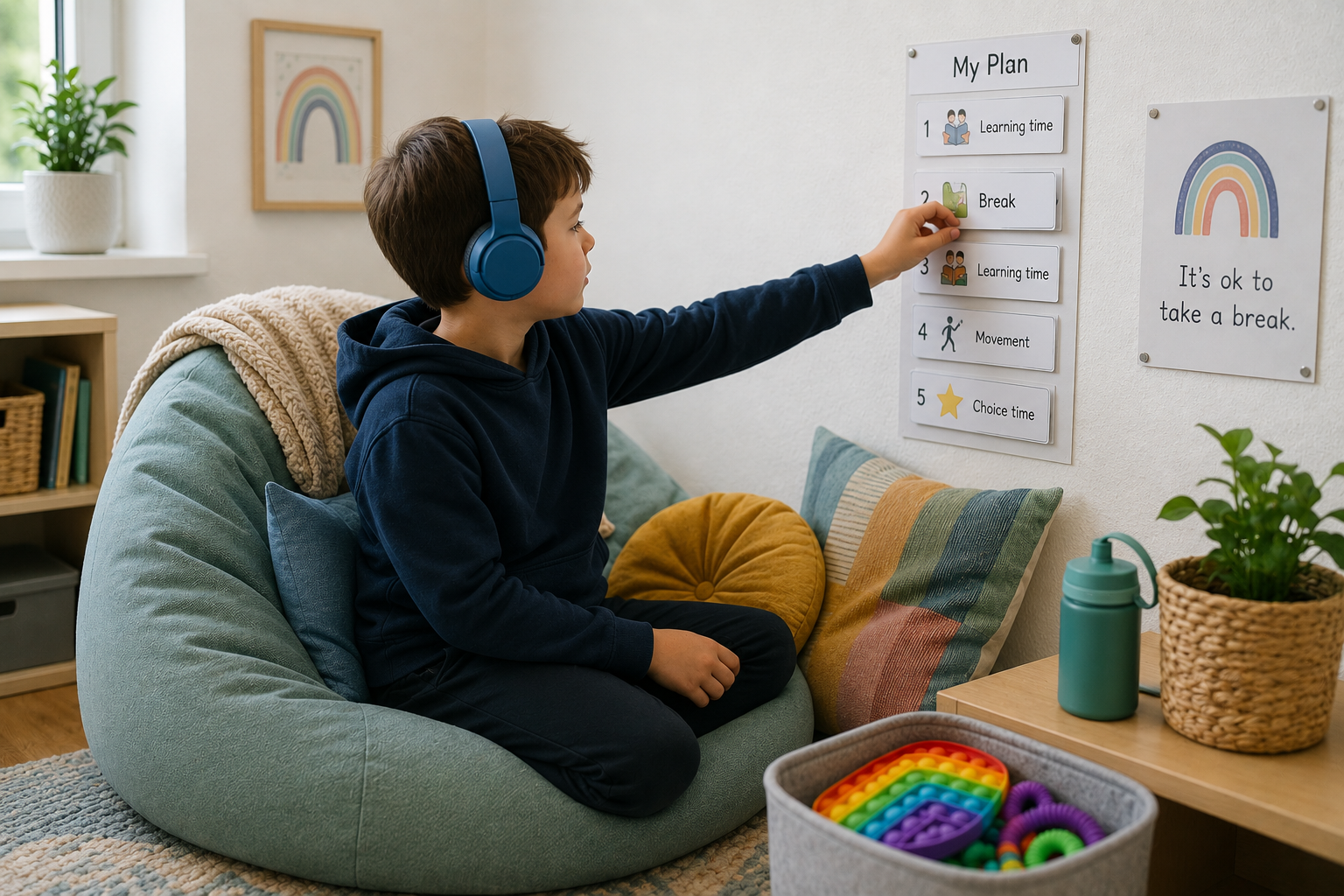
Sensory needs, regulation and recovery
This may include understanding sensory preferences, reducing overload, planning recovery after demanding days and building regulation supports that fit home, school and community life.
Organisation, attention and getting things done
Support may address starting tasks, following through, managing time, remembering equipment, homework routines, planning ahead and developing strategies that suit the young person.
Transitions and growing independence
OT input may help with changes between activities, school transitions, moving into secondary school, preparing for further education or building independence for everyday adult roles.
Movement, learning and participation
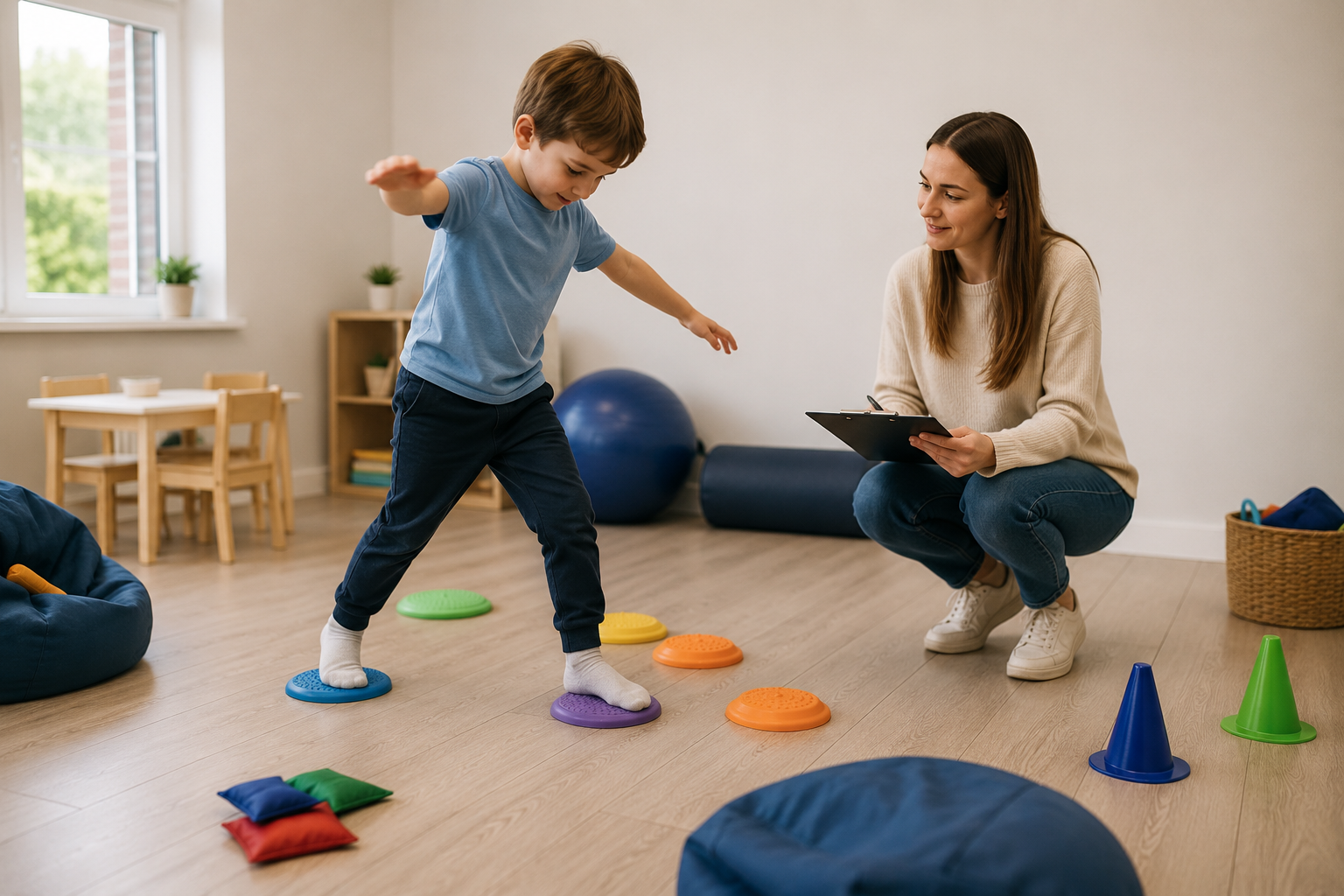
Movement, coordination and physical confidence
Support may focus on motor coordination, body awareness, balance, DCD or dyspraxia-related functional concerns, PE, sport, cycling, playground participation and everyday movement skills.
Handwriting, typing and written work
The focus may be handwriting, typing, assistive technology, managing written workload or finding a more efficient way to show knowledge without unnecessary effort.
School, study and classroom participation
Support may address classroom routines, access to learning, practical school tasks, managing equipment, sensory demands, fatigue, transitions and strategies that support consistency across settings.
Play, friendships, leisure and community life
OT may help a child or young person take part in activities that matter to them, including play, clubs, hobbies, friendships, sport and community routines.

Handwriting, typing and access to school tasks
Sensory needs, regulation and recovery
Movement, coordination and physical confidence
How support works
A flexible assessment and support pathway
Adults and children use the same staged fees: €120 Initial Consultation first, then €400 for the complete Stage 1 assessment, and an optional further €400 for Stage 2. Including consultation, the total is €520 for Stage 1 or €920 for both stages.
Start with an Initial Consultation, then agree which support or assessment would help.
Start here
Initial Consultation
Discuss your child’s strengths, routines, concerns and priorities.
It is not a full occupational therapy assessment on its own. It guides the decision about what should happen next.
Assessment is used where it adds useful information
Some families move straight from consultation into practical support.
Others need assessment of routines, movement, sensory needs or environments to guide the plan.
The recommendation is based on what would help, rather than on one fixed pathway or diagnosis alone.
The pathway can be reviewed and adjusted
The diagram shows possible routes after the first consultation.
Start here
Initial Consultation
60 minutes | Online | €120
Understand strengths, everyday concerns, priorities and the most useful next step.
Possible route
Goal-Focused OT Support
45 minutes | €120 per session
Practical support around an agreed everyday goal, with planning and personalised strategies.
More information where useful
Assessment
Everyday Life and Participation Assessment | €400
A fuller picture of routines, strengths, needs, environments, participation and goals.
Across everyday settings
Family and school collaboration
Parent guidance, school consultation, environmental advice or consistent strategies across settings.
As needs change
Review, adjustment or signposting
Review progress, adjust the plan, pause support or signpost to another service where this is a better fit.
The pathway keeps the focus on the person, the everyday activities that matter and the environments around them.
Possible next steps in more detail
What happens during the Initial Consultation?
Before the appointment, Belong OT reviews the intake information you provide. During the consultation, you discuss strengths, concerns, routines, what already helps and what you would like support with.
Afterwards, you receive a brief written Initial Consultation Summary and Plan with practical recommendations and suggested next steps.
Goal-Focused OT Support
Sessions focus on an agreed everyday goal. Support may involve direct work with the child or young person, parent guidance, school collaboration, professional planning and personalised resources where appropriate.
Learn more about Goal-Focused OT SupportEveryday Life and Participation Assessment
This assessment builds a fuller picture of everyday routines, strengths, needs, environments, priorities and goals. It includes a written report and practical recommendations.
Full OT Assessment Pathway
The €400 Everyday Life and Participation Assessment is a complete Stage 1 assessment, paid after the €120 Initial Consultation. A further €400 applies where direct observation, clinic-based assessment, a setting visit or a standardised measure would add meaningful information.
Not every child or young person needs this pathway. The recommendation is discussed with you first.
View Occupational Therapy Assessment optionsFamily, school or other next steps
The plan may include parent guidance, school consultation, review of existing information, written recommendations, liaison with another professional, onward signposting or no further OT input at present.
What support might look like
Practical input shaped around real routines and goals
Support is not a standard pack. The format depends on the goal, the child or young person’s preferences and the places where support needs to work.
Ways Belong OT may work with you
Parent or carer consultation
Focused discussion helps identify patterns, clarify priorities and plan practical changes within everyday family routines.
Direct work with the child or young person
Direct sessions may focus on agreed goals linked to movement, self-care, regulation, handwriting, typing, organisation or participation.
School collaboration
Where relevant and agreed, support may include school consultation, environmental advice, observation or recommendations for access, routines and participation.
Learn about support for schools and education settingsReview and adjustment
Strategies are reviewed in context. What helps may change as the young person grows, environments change or new priorities emerge.
What you may receive
Initial Consultation Summary and Plan
A brief written summary of the main themes, practical recommendations and suggested next steps.
Personalised strategies or resources
This may include routine plans, visual supports, checklists, activity ideas, environmental changes or action plans linked to the agreed goal.
School recommendations where relevant
Written guidance may support consistency around access, regulation, written work, movement, organisation, routines or participation in school life.
Assessment report where assessment is completed
A full report is linked to a specific occupational therapy assessment service. The Initial Consultation includes a brief summary and plan, not a full assessment report.
The aim is practical follow-through. Support should make sense within the routines, relationships and environments the child or young person already lives in.
Good to know
A few important points before you begin
You do not need a diagnosis or referral
Families may contact Belong OT directly. Support focuses on everyday strengths, needs and practical next steps.
Your knowledge matters
Parents and carers bring detailed knowledge of patterns, preferences, routines and what already helps. This forms an important part of clinical reasoning.
The young person’s views matter
Wherever possible, the child or young person is supported to share what matters to them and to take part in decisions about goals and support.
Support is neuroaffirming and strengths-based
The aim is not to make a child or young person appear less different. Support focuses on understanding needs, reducing barriers and building meaningful participation.
Online and in-person options are discussed
Some consultations and support work well online. Direct assessment or observation may require an in-person appointment. Suitability is discussed before booking.
Another service may sometimes fit better
Where Belong OT is not the right service, other possible options are discussed where appropriate.
Frequently asked questions
Questions families often ask
Where do we start?
Everyone new to Belong OT starts with an Initial Consultation. You do not need to know which service you need before booking. The appointment helps clarify priorities and decide what support may be useful next.
Does my child or young person need a diagnosis?
No. A diagnosis is not required. Belong OT focuses on how everyday life is being affected and what practical support may help.
Does my child or young person attend the Initial Consultation?
For many child and family consultations, the first appointment is with the parent or carer. For older children and young people, their involvement is discussed beforehand and planned in a way that feels useful and respectful.
Is assessment always needed?
No. Some families move into practical support after the Initial Consultation. Assessment is recommended only where further information would change or strengthen the plan.
Is support available online or in person?
Online consultations are available across Ireland where appropriate. In-person services are available within the local service area across Limerick, Clare and Tipperary, with location and suitability agreed before booking.
Can Belong OT work with my child’s school?
Yes, where school input is relevant to the agreed goals and the necessary consent is in place. Support may include consultation, observation, environmental advice or practical recommendations.
Still unsure? The Initial Consultation is designed to help you work out whether occupational therapy is the right fit and what the next step should be.
Start with a calm, practical conversation
Ready to take the next step?
There is no pressure, no diagnosis needed and no referral required.
Book a consultation to discuss priorities, or send an enquiry about suitability.