Belong OT blog
A Dress That Fits: Universal Design, Belonging and Making Room for Difference
A family wedding dress, worn across generations, offers a powerful way to think about design, neurodiversity, occupational therapy and belonging.
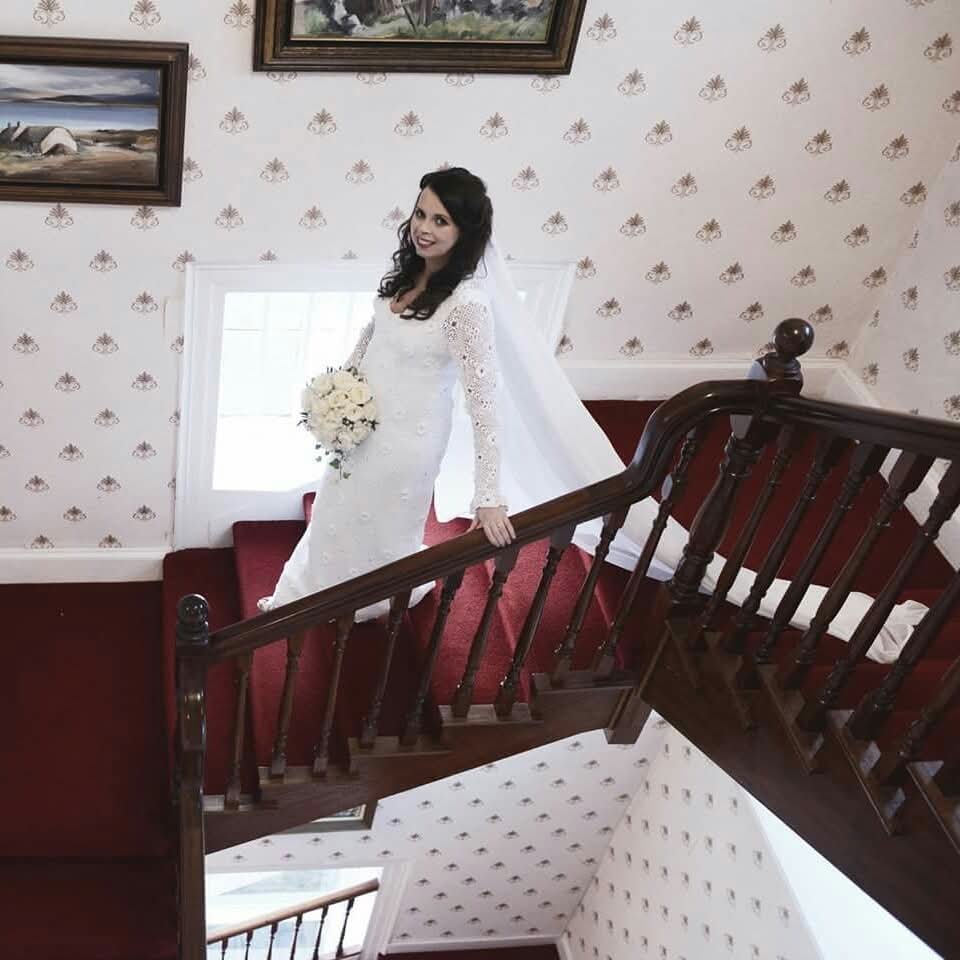
There is a wedding dress in my family that resonates deeply with me as an occupational therapist: someone who looks at the world hoping to find things universally designed, so that everyone can take part. It was made by my grandmother, and I wore it on my wedding day. It was also worn by my sisters, cousins and aunts.
It is a white crochet wedding dress, created with skill, patience and care. From the very start, it was designed to be practical: soaked and cleaned into shape, then dried to the exact size and form of whoever was wearing it. The crochet squares themselves can shrink or stretch.
Over more than 50 years, ten brides have worn that dress: different heights, different shapes, different bodies. Not one of them was expected to be smaller, taller, or a different shape to fit the dress. The dress moulded and adapted to fit each bride. The underskirt worn beneath it could be changed too, so each bride could bring her own style and identity to the dress and make it hers on the day. That is the detail that stays with me most.
For me, this dress has become much more than a family story.
It is a story about design and belonging: something made with enough flexibility to fit the person.
That practicality created something else too: a sense of unity between all ten brides. Different women, different decades, different lives, joined by one piece of clothing that adapted to hold each of them.
It just worked. That’s universal design.
Nobody in my family ever called that dress “universal design.” It was never marketed as adaptive, inclusive, or accessible. It was just a dress that worked for ten different women over fifty years. And that is exactly the point. Good universal design rarely announces itself. A dropped kerb, for example, supports wheelchair users and people pushing buggies without requiring a separate route. The best universal design disappears into ordinary life.
Universal design has a specific history behind that idea. The term grew out of work by a group of architects, product designers and engineers in the mid-1990s, led by Ron Mace, an architect widely credited as the father of universal design, who had founded the Center for Universal Design at North Carolina State University in 1989. Much of that early thinking came from the built environment. Once it became clear that access built in for wheelchair users, such as a dropped kerb, also helped everyone else, it was recognised as a universal good, which is where the term “universal design” comes from. In 1997, Mace’s working group published seven principles now used to judge whether a design serves the widest possible range of people.
My grandmother was crocheting those principles into a wedding dress decades before Mace and his team put a name on them. She had no framework, no guidelines, no design committee, just the skill and the foresight to make something that would fit whoever came next. She was ahead of the term. The thinking was already in her hands.
What made the dress universal design
Two of those seven principles map directly onto the dress. The first is Equitable Use: a design that is useful and marketable to people with diverse abilities, without segregating or singling anyone out. No bride needed a modified version, a special fitting, or an apology for her shape. She wore the same dress as every other bride, just shaped to her.
The second is Flexibility in Use: a design that accommodates a wide range of individual preferences and abilities. The dress’s crochet squares could shrink or stretch. The underskirt beneath it could change entirely, so each bride could bring her own style and identity to it. Flexibility didn’t mean a lesser version of the dress for anyone. It meant the same dress, working differently for each person who wore it.
Why this matters for support
This is exactly what good occupational therapy support borrows from Mace’s field. Applying universal design principles to environments improves access for people with and without disabilities alike, rather than treating access as a special accommodation for a few. The same logic is now being applied to workplaces built around neurodivergent employees: designing flexible hours, quiet spaces and similar supports into a workplace by default accommodates a wide range of cognitive needs without requiring anyone to disclose a diagnosis first.
A dress that never asked anyone to explain why they needed room to move, or to justify why the same design should work differently for them, is as good a starting point for universal design as any building or workplace.
That is the heart of Belong OT.
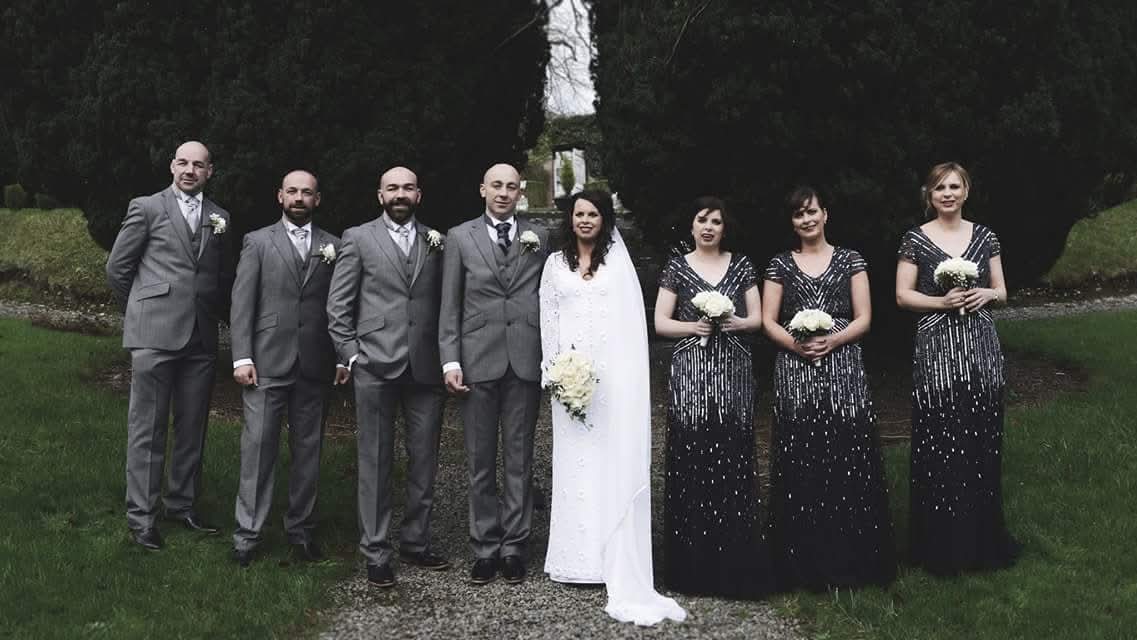
Hear the story of the dress
RTÉ Documentary On One: Feminist Dress
The full story of the dress and the women who wore it across more than 50 years: a beautiful piece about family, women, craft, tradition and change.
When something is designed with flexibility, more people get to belong.
Listen on RTÉThinking about fit, access or participation?
Belong OT supports children, young people, adults, families, schools and education settings to understand what is getting in the way and what practical support might help next.